Back to School: How to Make New Students Feel Welcome This Fall
Learn how thoughtful school design, intuitive wayfinding, and strategic entrance matting can help new students feel welcome, reduce first-day anxiety, and create safer, more inviting learning environments.
August 1, 2026
·
6 min
There are few days that carry as much nervous energy as the first day of school.
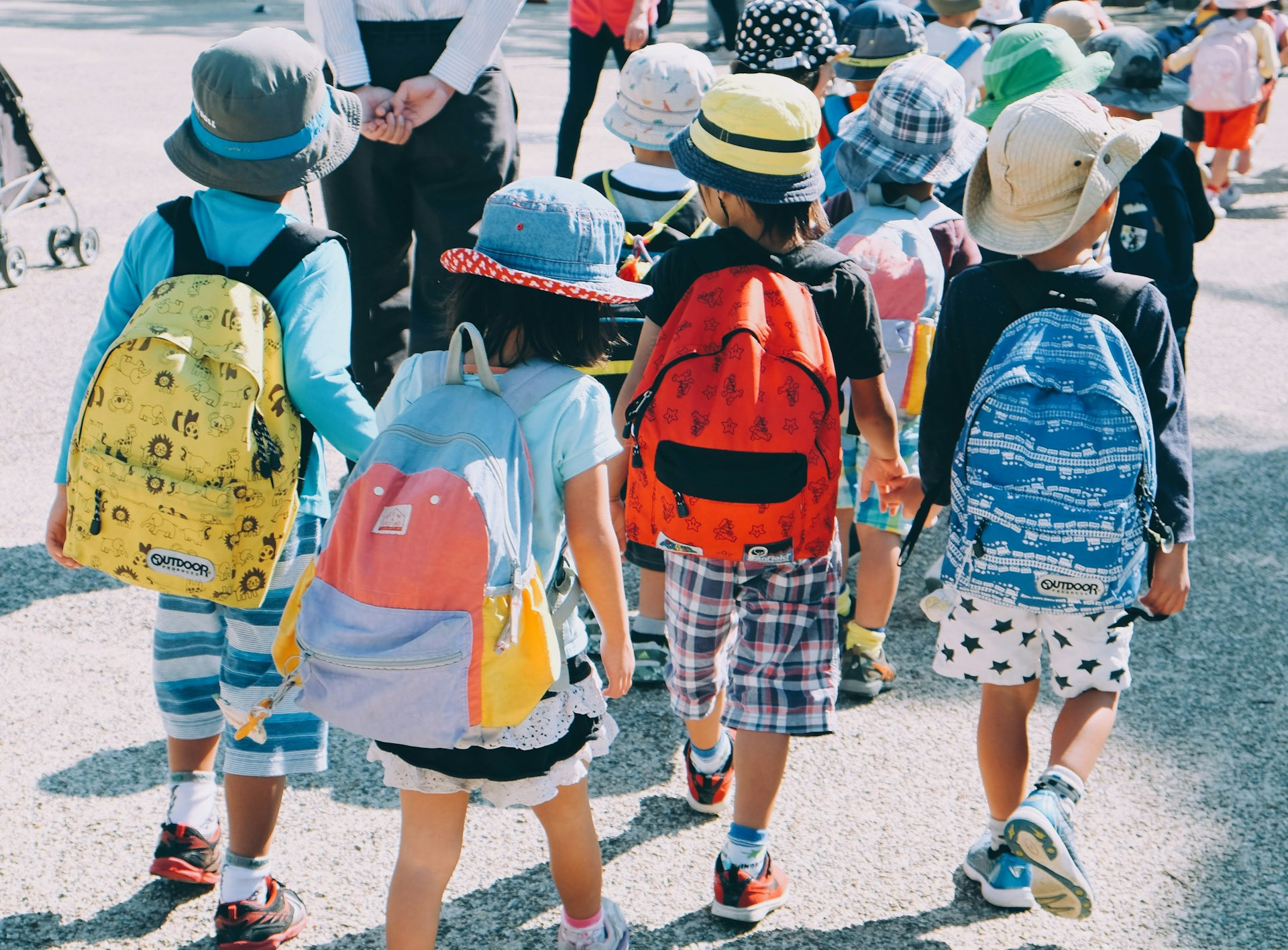
Some kids sprint through the front doors without a second thought. Others stop on the sidewalk, backpack straps pulled tight, wondering if they're in the right place. Parents try to look confident while secretly questioning whether they're dropping their child off at the correct entrance. Teachers are already juggling attendance, new routines, and dozens of questions before the first bell has even rung.
As a parent, I've lived both sides of that morning. You want your child to walk into a school that immediately says, "You've got this." Unfortunately, plenty of schools unintentionally say something closer to, "Good luck figuring it out."
That usually isn't because the staff aren't welcoming. Quite the opposite. Teachers and administrators work incredibly hard to make students feel comfortable.
The problem is often the building itself.
If visitors can't immediately find the office, if the gymnasium entrance looks exactly like three other hallways, or if every doorway feels identical, people spend their first few minutes feeling uncertain instead of confident. That's hardly the ideal way to begin a school year.
Good schools think about more than lesson plans. They think about how the building guides people from the moment they arrive.
And sometimes, the simplest design decisions make the biggest difference.
The Short Answer: How Can Schools Make New Students Feel More Welcome?
Schools create a better first impression when students and families can easily understand where to go.
Clear entrances, thoughtful wayfinding, welcoming reception areas, and well-designed flooring all help reduce stress during those important first moments. Something as simple as strategically placed entrance matting can quietly guide visitors toward the right destination while creating cleaner, safer, and more inviting spaces.
The goal isn't simply helping people find their classroom. It's helping them feel like they belong before they even get there.
First Impressions Start Before You Open the Door
Schools spend enormous amounts of money on classrooms, technology, and playgrounds.
All worthwhile investments.
But if your entrance leaves parents wandering around looking for the office, you've already created unnecessary stress before anyone says hello.
It's funny how often we overlook that.
Adults eventually figure it out because we've spent decades walking into unfamiliar buildings. Children haven't. Every hallway looks the same. Every classroom door looks identical. Every decision suddenly feels like it might be the wrong one.
That uncertainty adds up.
The first few minutes inside a building set the tone for everything that follows. If students immediately know where they're supposed to go, they relax. Parents relax too. Teachers spend less time redirecting lost visitors, and office staff answer fewer questions that could have been solved through better design.
This isn't revolutionary. It's simply paying attention.
Good Wayfinding Doesn't Need Giant Signs
Whenever people hear the term wayfinding, they usually picture oversized directional signs hanging from the ceiling.
Those certainly have their place.
But good wayfinding starts much earlier than that.
One of the simplest and most overlooked tools is flooring.
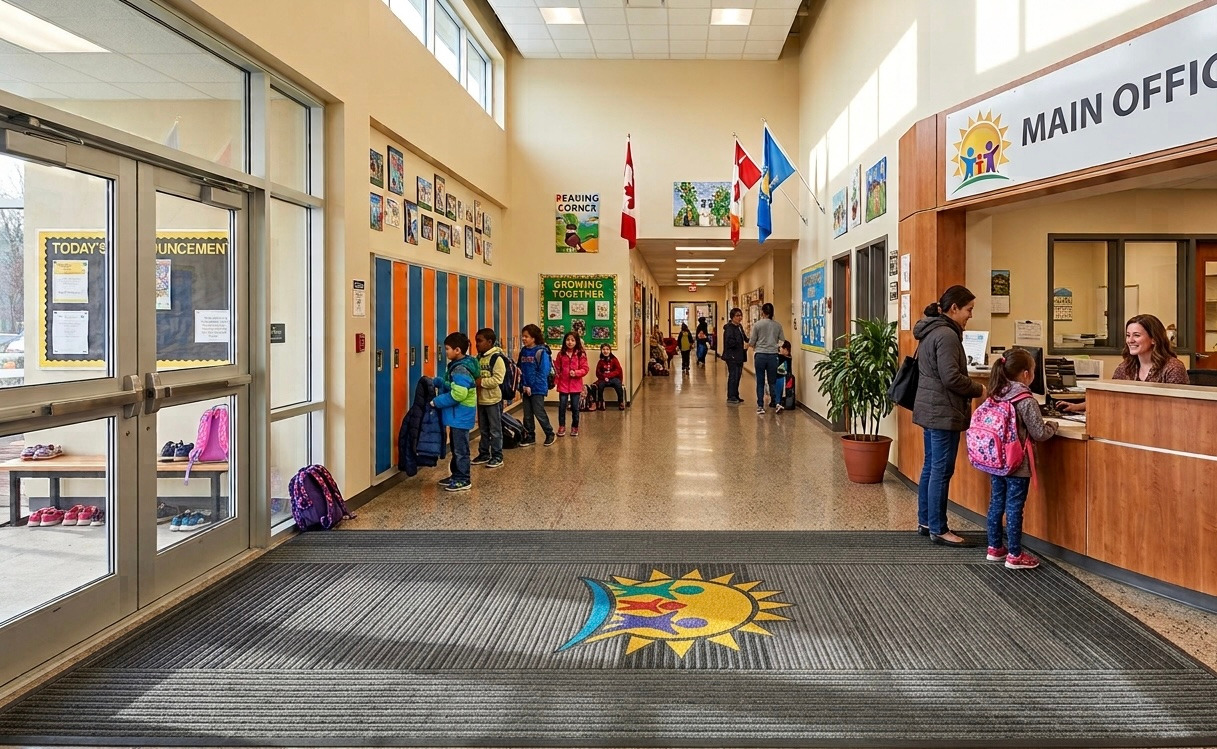
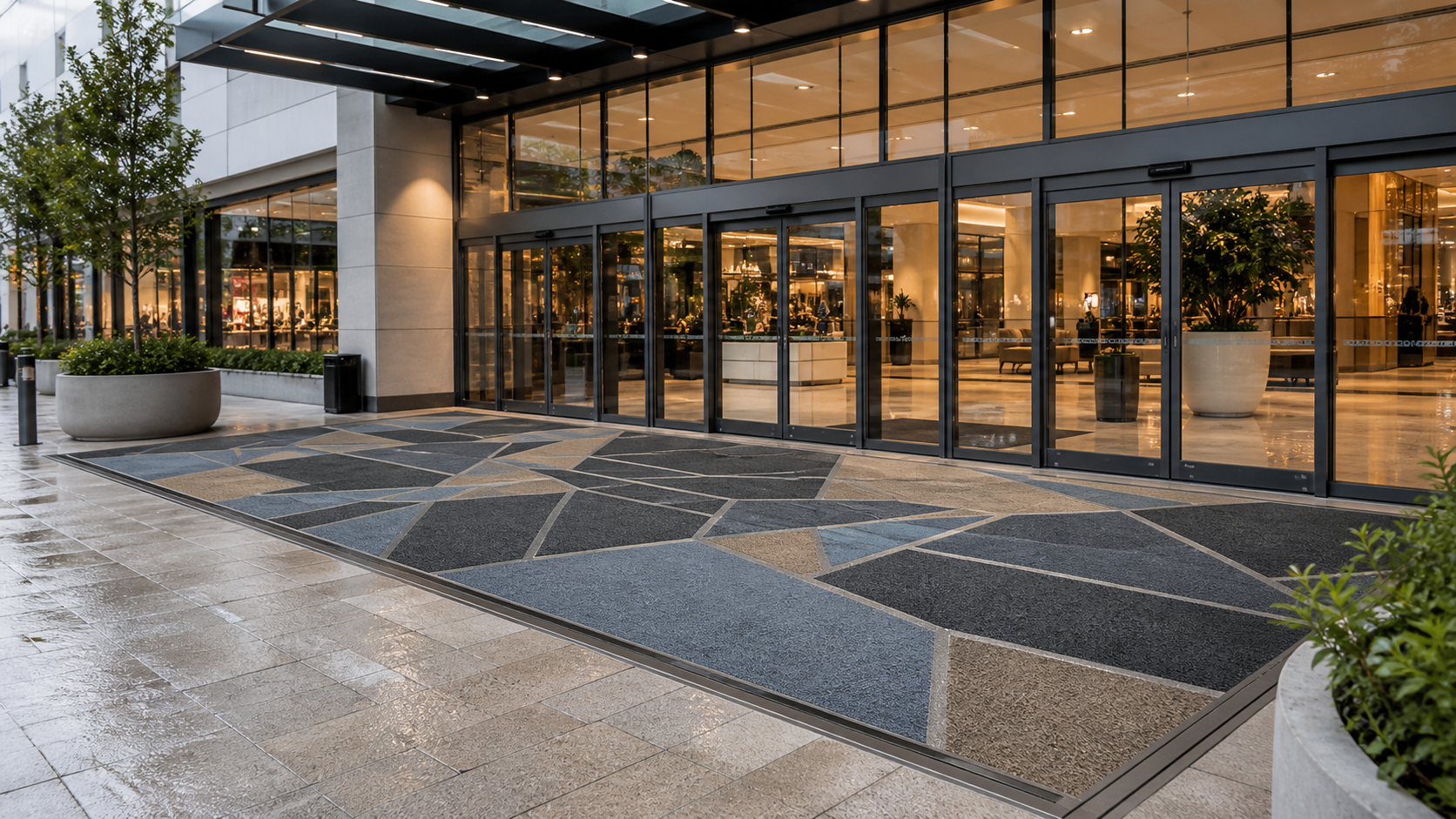
Imagine arriving at a school where the administrative office is marked by a distinctive entrance mat leading directly to the reception desk. Visitors instinctively recognize they're in the right place before reading a single sign.
The same principle works for libraries.
Gymnasiums.
Learning commons.
Counselling offices.
Different flooring zones quietly communicate where people should go without demanding their attention.
It's the same reason airports, hospitals, and universities use flooring changes to guide thousands of people every day.
Schools can benefit from that thinking just as much.
Instead of expecting nervous families to decipher a maze of identical hallways, the building itself starts offering gentle cues that say, "You're on the right path."
That's good design.
Stop Making Every Entrance Look the Same
Here's one of my annual back-to-school frustrations: Why does every entrance have to look identical?
You finally find a parking spot. You walk toward the building carrying backpacks, lunch kits, water bottles, and whatever art project somehow survived the summer. Then you're faced with four doors that all look exactly alike.
One is the main entrance. One leads directly into the gym. Another is locked. The last one brings you into a hallway that feels suspiciously empty.
So naturally everyone chooses the wrong one. We've all done it (I know I sure have).
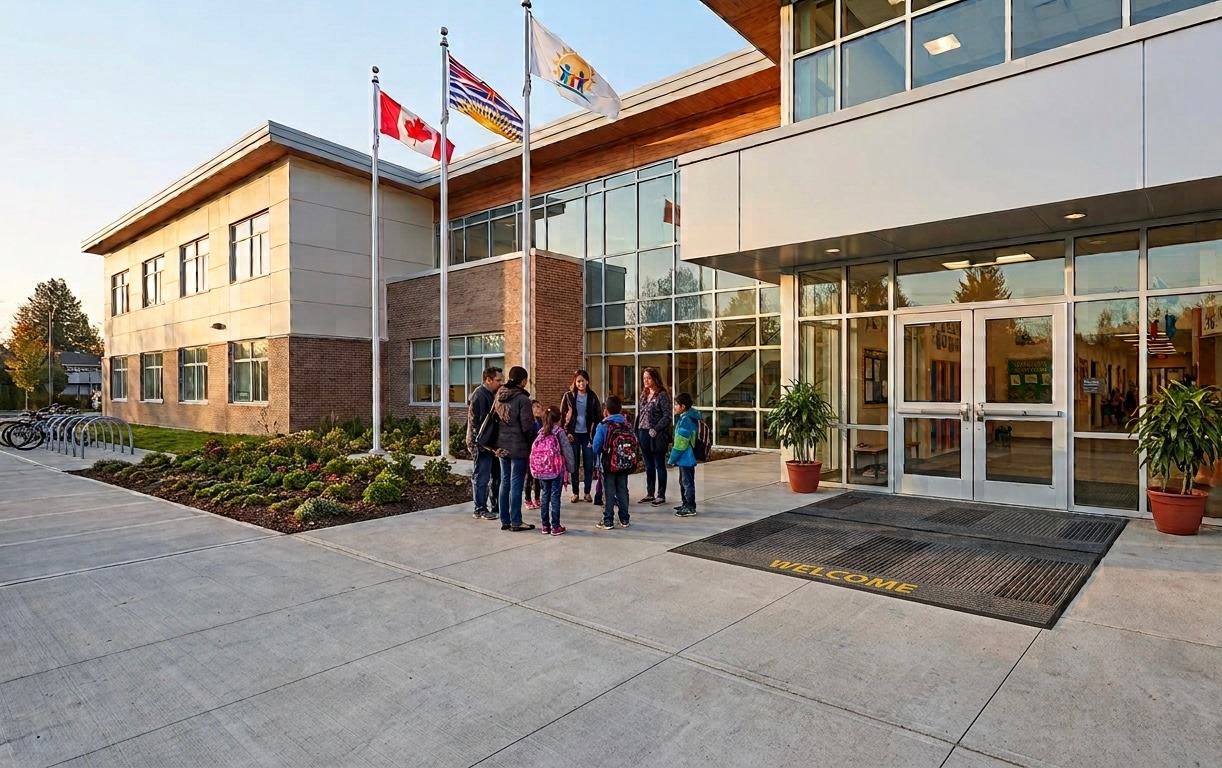
The easiest way to reduce that confusion isn't necessarily another sign. It's creating visual distinction. A clearly defined entrance with quality exterior and interior matting immediately tells visitors, "This is the front door."
You don't have to think about it. You simply know.
Good buildings communicate before anyone speaks.
Sometimes the Best Improvements Live Under Your Feet
Flooring rarely gets much attention because, frankly, nobody walks into a building and announces how excited they are about the entrance mat.
Until it's missing.
Or soaked.
Or curling up at the edges.
Or creating puddles throughout the lobby because rainwater has nowhere else to go.
Anyone who has experienced a Vancouver autumn knows exactly what I'm talking about.
Schools deal with hundreds, sometimes thousands, of students tracking water, dirt, gravel, and debris inside every day. That's hard on the building, but it's also hard on the people using it.
Good entrance systems help solve that problem before it spreads through the hallways.
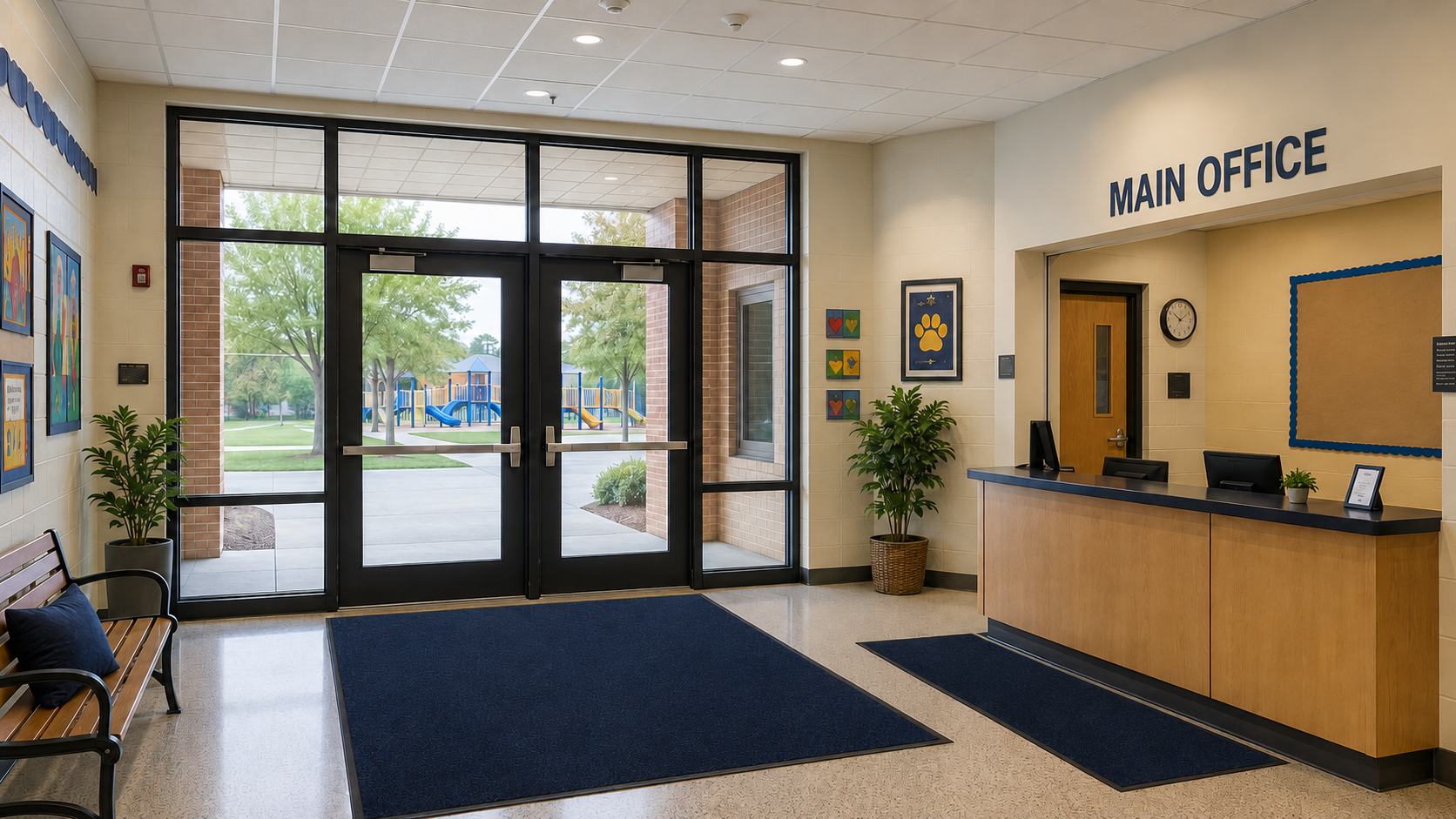
Many newer schools are fortunate enough to include recessed mat wells, allowing entrance matting to sit flush with the surrounding floor. They're cleaner, safer, and hold significantly more moisture than loose mats that slide around or bunch up near the doors.
Not every school has that luxury, of course, but every school benefits from thinking strategically about where matting belongs.
Companies like McCrann Flooring spend a great deal of time helping schools choose entrance systems that do more than simply scrape dirt off shoes. Proper matting reduces slips, protects surrounding flooring, improves indoor air quality by trapping debris at the door, and even becomes part of the school's wayfinding strategy when thoughtfully placed at key destinations.
That's a pretty impressive return for something most people never consciously notice.
The best building products often work exactly that way.
They quietly make everyone's day a little easier.
The Best Schools Feel Easy to Navigate
When people describe a school as welcoming, they're rarely talking about one specific feature. They're talking about how the entire experience feels.
They found the front entrance without guessing. They knew where to check in. They didn't feel lost. Their child wasn't overwhelmed before first period even started. That's not luck.
That's thoughtful design.
Schools already ask students to absorb an incredible amount of new information every September. New classmates. New teachers. New expectations. New schedules.
The building shouldn't become one more thing they have to figure out.
If a few thoughtful design choices can remove even a small amount of anxiety from that first morning, why wouldn't we make them?
Key Takeaways: How Schools Can Help New Students Feel Welcome
Creating a welcoming school starts long before students reach their classroom. Clear entrances, intuitive wayfinding, and thoughtfully designed reception areas help reduce uncertainty during one of the most stressful days of the year. Flooring also plays a bigger role than many people realize. Strategic entrance matting can identify important destinations like the administrative office, library, or gymnasium while keeping schools cleaner, safer, and easier to navigate.
The most welcoming schools don't leave students wondering where they belong.
They quietly show them.
Frequently Asked Questions
Why is wayfinding important in schools?
Wayfinding helps students, parents, and visitors quickly understand where they need to go. Clear navigation reduces stress, minimizes confusion, and creates a more welcoming first impression.
Can flooring really help people find their way?
Yes. Changes in flooring materials or strategically placed entrance matting can naturally guide people toward important destinations without relying solely on signs.
What are recessed entrance mats?
Recessed entrance mats sit inside a built-in floor well, creating a flush surface that captures more dirt and moisture while reducing trip hazards.
Why do schools use entrance matting?
Entrance matting helps keep floors cleaner, reduces slips and falls, protects interior flooring, and improves indoor air quality by trapping dirt and moisture before they're carried throughout the building.
What makes a school feel welcoming?
Welcoming schools combine friendly staff with thoughtful design. Easy-to-find entrances, intuitive layouts, comfortable common spaces, and clear wayfinding all help students and families feel confident from the moment they arrive.
Every September, schools spend countless hours preparing classrooms, organizing supplies, and welcoming a new group of students through their doors.
That's exactly as it should be.
But if we truly want children to feel comfortable from the moment they arrive, we also need to pay attention to the building itself. The best schools don't force people to guess where they're going. They quietly guide them there, removing little moments of stress before they have a chance to grow into bigger ones.
Because when a child walks through the right door feeling confident instead of confused, that's a pretty great way to start a new school year.
Making Vancouver buildings just a little bit better... xoxo J.