Rooftop Patios: What a Well-Managed Amenity Looks Like
A well-managed rooftop patio isn’t just about the view. The best ones are designed for real use, with durable furniture, thoughtful layouts, safe barbecue areas, proper matting, and consistent upkeep that keeps the space comfortable season after season.
May 21, 2026
·
6 min
Rooftop patios tend to photograph better than they function. That’s a major problem that no one notices until they live it.
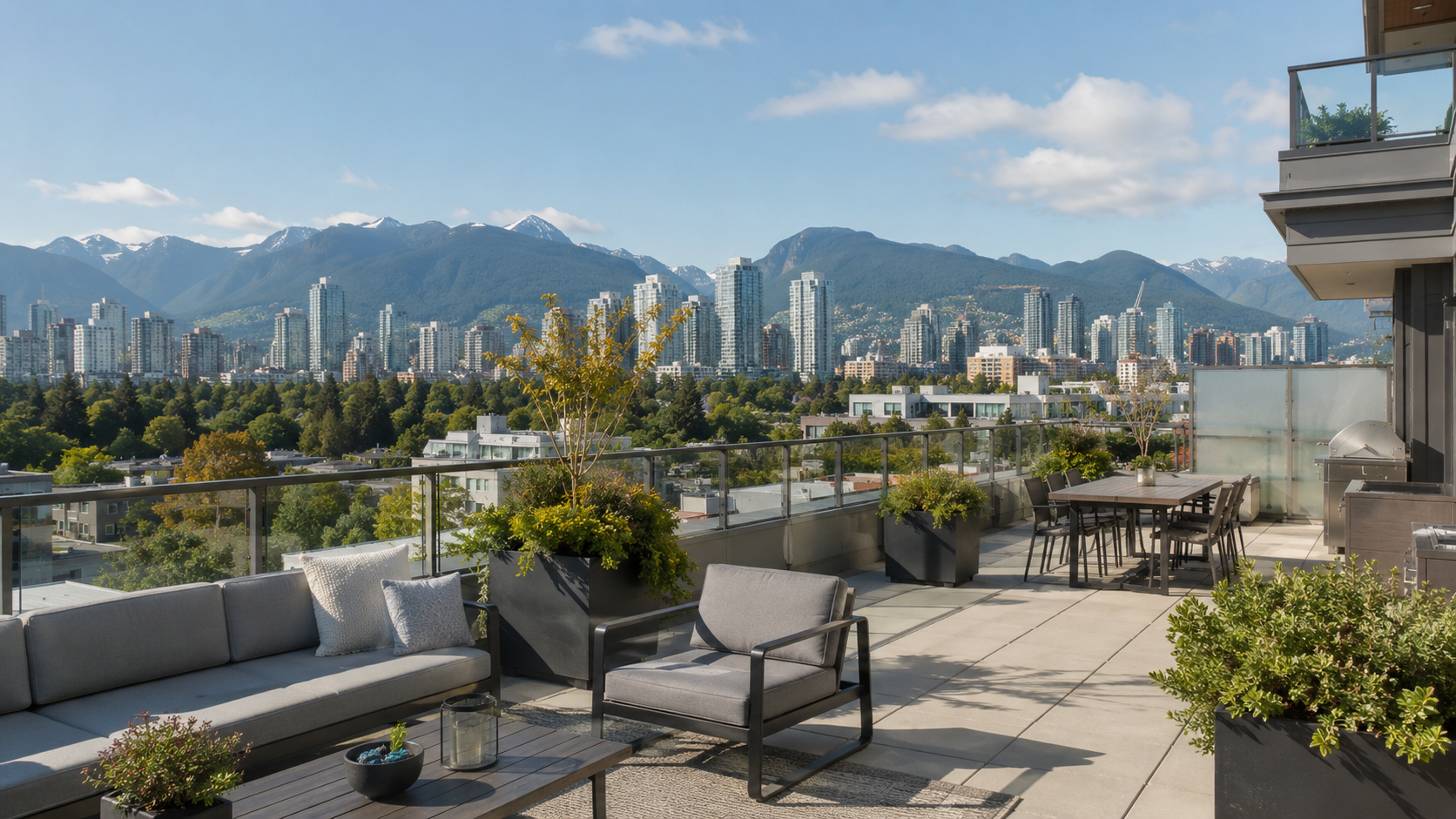
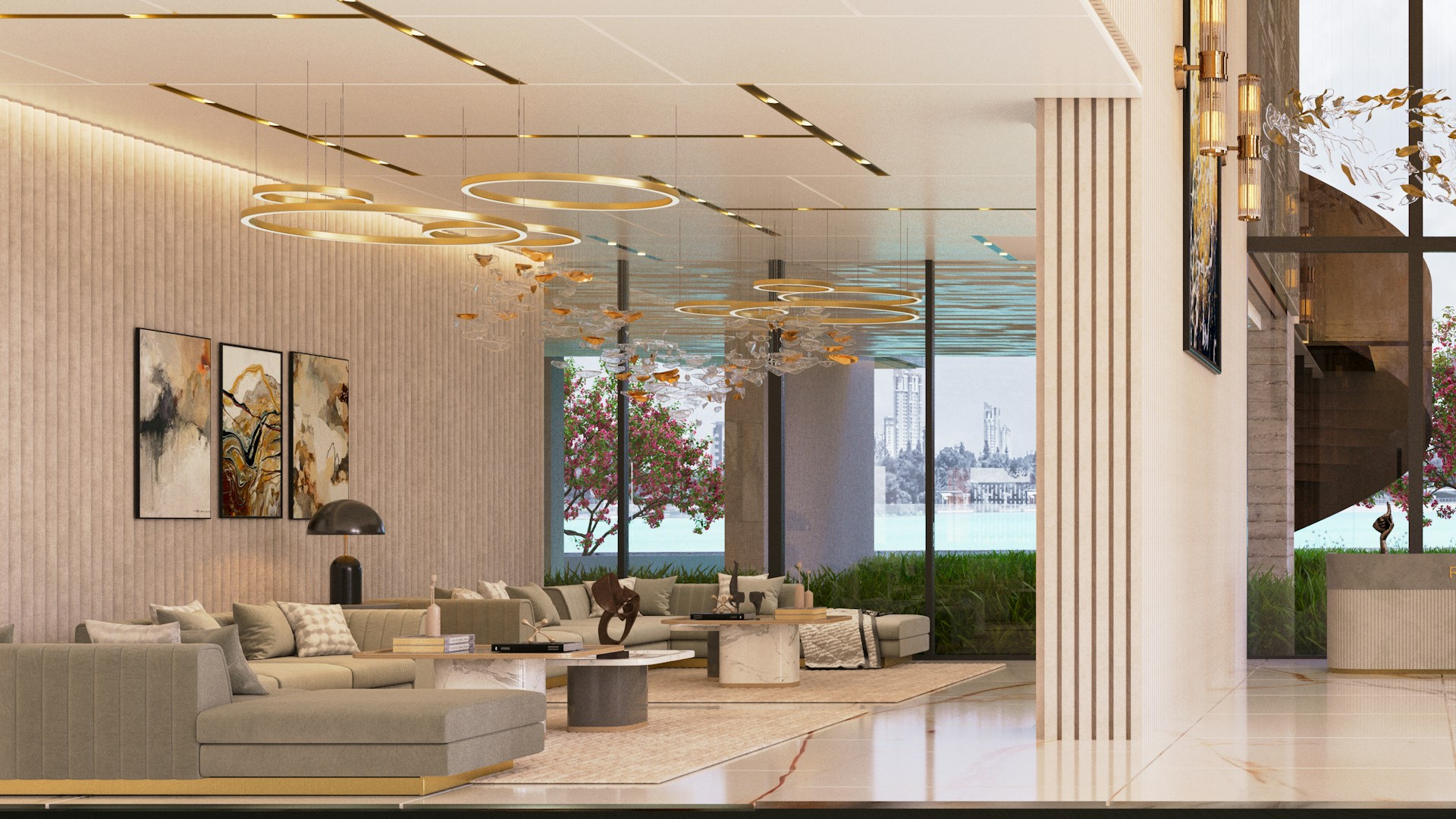
In listing photos and architectural renderings, they look like extensions of a five-star resort. Clean furniture. Open sky. Fire tables glowing at dusk. A barbecue area no one has actually cooked on yet (and definitely doesn’t have yesterday’s burgers still stuck to their grates…yuck, people).
Then real life starts.
Furniture shifts around. Cushions disappear. Wind moves things where they shouldn’t be. Water collects in corners. The barbecue area gets greasy. Residents drag chairs across surfaces that weren’t designed for it. By the second or third season, the space starts to feel more worn than welcoming.
Not because rooftop patios are a bad idea. But because they’re one of the most demanding amenity spaces in a building, and they’re often treated like static showpieces instead of active outdoor environments.
The rooftop patios that actually work tend to have something in common: they’re managed like shared infrastructure, not decorative extras.
And that changes everything.
The Short Answer: What Makes a Rooftop Patio Well-Managed?
A well-managed rooftop patio balances comfort, durability, safety, and maintenance without making the space feel overly controlled.
The strongest rooftop amenities usually share a few characteristics:
Clear layout and circulation
Furniture and matting designed for outdoor use and heavy traffic
Defined gathering and cooking areas
Surfaces that handle moisture well
Consistent cleaning and upkeep
Storage and organization that prevent drift over time
When these pieces work together, the space feels calm and easy to use.
When they don’t, rooftop patios tend to decline quickly.
Why Rooftop Patios Drift Faster Than Other Amenity Spaces
Outdoor spaces experience wear differently.
Inside a building, conditions are relatively stable. On a rooftop patio, everything changes constantly. Rain, direct sun, temperature swings, wind, moisture, pollen, food spills, and heavy seasonal use all compound over time.
And unlike indoor amenity rooms, rooftop patios often don’t get reset daily.
That’s where problems begin, and why they build up quicker here.
Furniture ends up in awkward groupings. Dirt accumulates in corners. Cushions become mismatched. Barbecue areas collect grease and residue. Small maintenance issues stay visible longer because there’s nowhere to hide them.
Over time, the patio starts feeling slightly unmanaged.
And once that feeling sets in, residents begin using it differently.
People stay for shorter periods. They clean up less thoroughly. The space becomes more transactional and less communal.
Good Rooftop Layouts Feel Easy to Move Through
One of the biggest differences between a rooftop patio that works and one that doesn’t is circulation.
The best spaces are intuitive.
You can walk through them naturally without squeezing between furniture or interrupting someone else’s conversation. Seating areas feel intentional. Gathering spaces don’t overlap awkwardly with pathways. People using the barbecue aren’t competing with people trying to relax nearby.
A surprising number of patios get this wrong.
Everything ends up pushed toward the perimeter, or clustered too tightly around the best views. The result is a space that looks good from a distance but feels uncomfortable once people actually start using it.
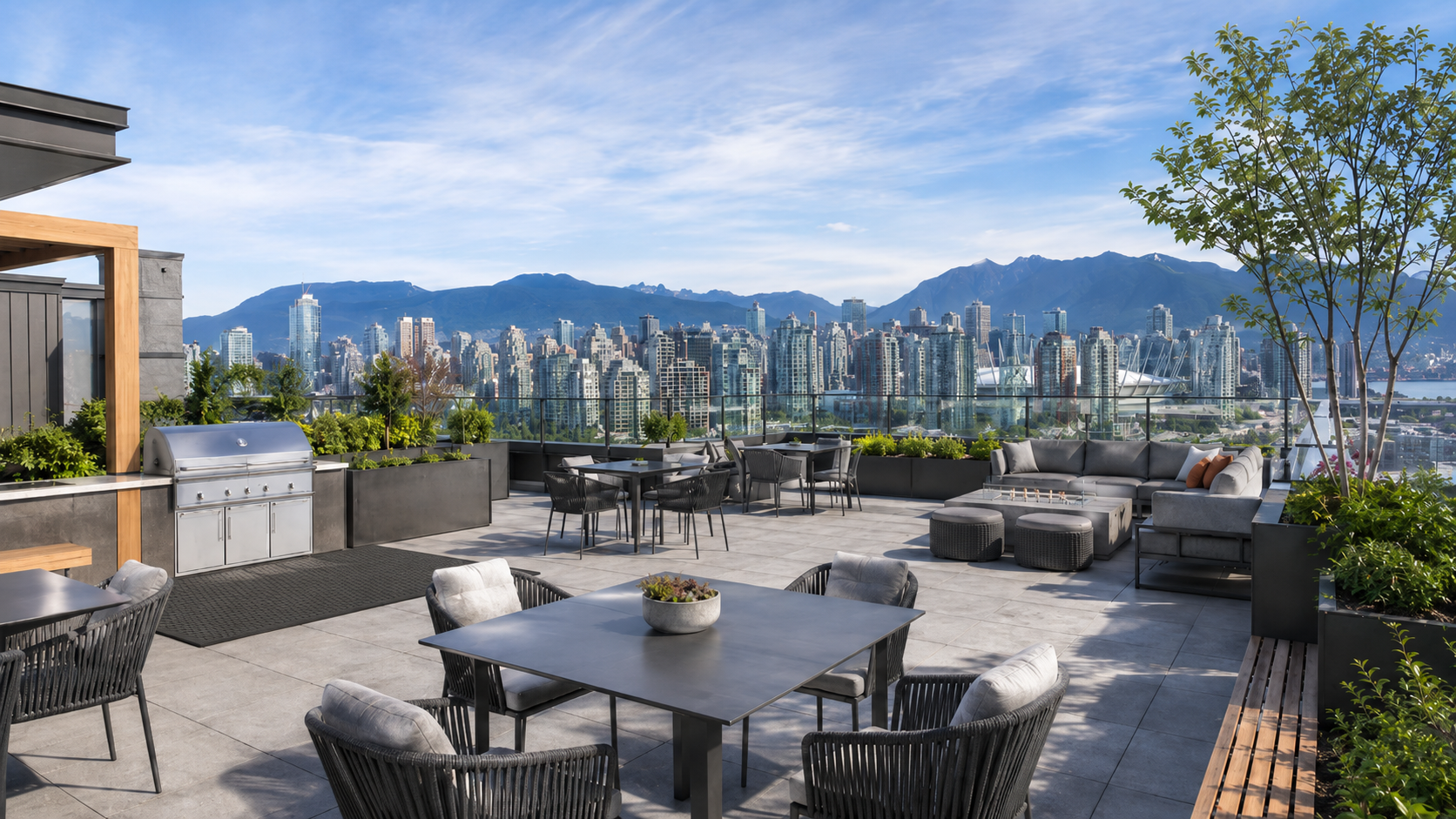
The strongest rooftop layouts create small zones within the larger space. A quieter seating area. A more social gathering space. A place for dining. A place for grilling.
Not through walls or barriers.
Just through thoughtful spacing and arrangement.
How Do You Make a Rooftop Patio More Comfortable?
Comfort outdoors comes down to managing exposure.
Too much direct sun and the space becomes unusable in the afternoon. Too much wind and nobody stays long. Hard surfaces amplify heat and noise. Furniture that looks stylish but doesn’t support real use quickly becomes decorative instead of functional.
The rooftop patios people actually return to tend to balance a few things well:
Shade and sunlight
Open space and privacy
Durable materials and softness
Social areas and quieter corners
Even small adjustments make a difference. A pergola that creates partial shade. Seating that faces inward instead of outward. Softer materials that absorb sound instead of reflecting it across the patio.
The goal isn’t to make the space feel luxurious.
It’s to make it feel usable for longer periods of time.
Why Furniture Selection Matters More Outdoors
Outdoor furniture takes a beating.
That’s why rooftop patios tend to age quickly when furniture is chosen primarily for appearance instead of performance.
Lightweight chairs get dragged constantly. Cushions absorb moisture. Tables fade unevenly in direct sun. Cheap finishes start looking worn within a season or two.
And once the furniture starts degrading, the entire patio feels less maintained.
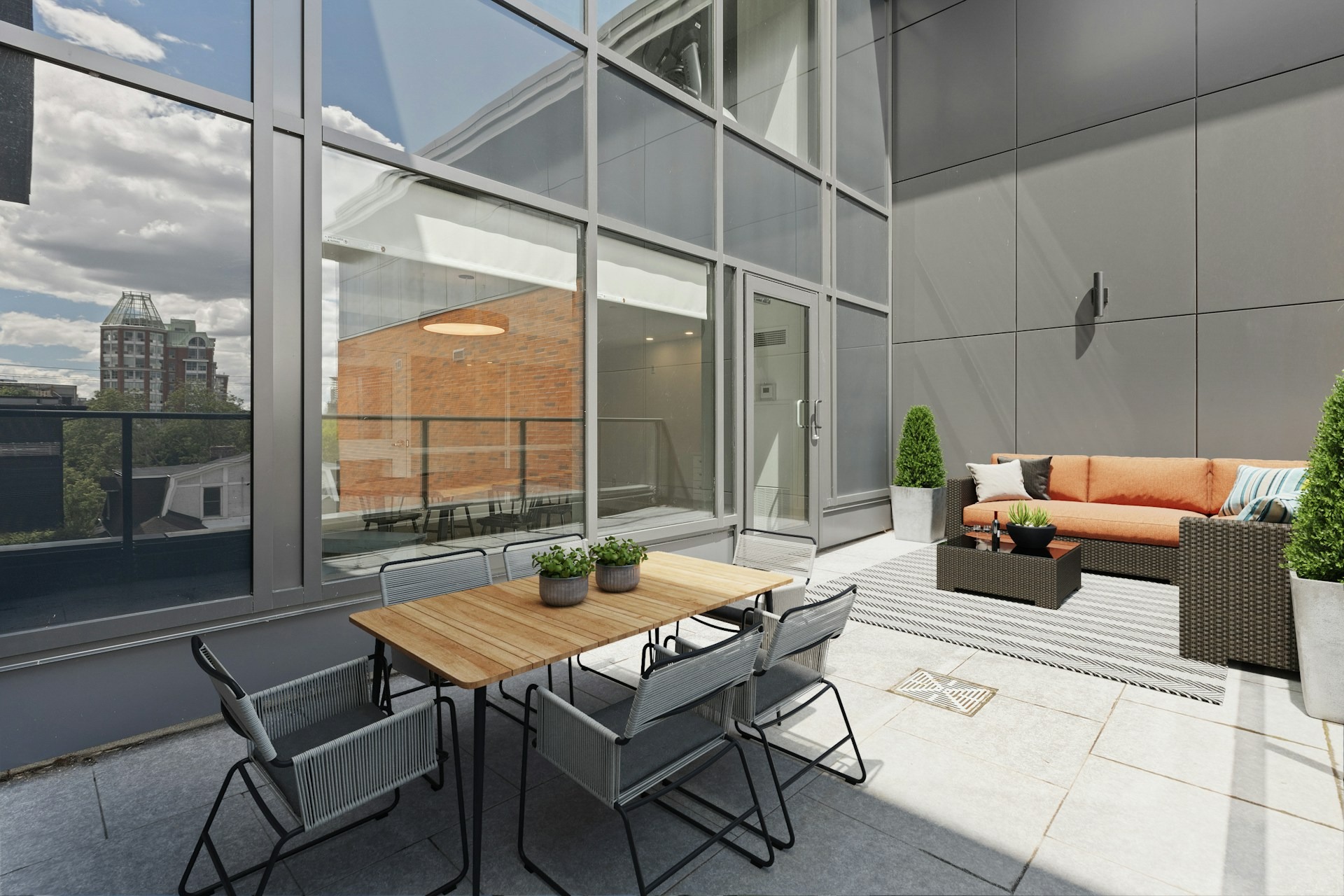
The best rooftop spaces usually rely on heavier, durable pieces that can handle movement, weather, and repeated use without feeling fragile. Furniture should be easy to clean, difficult to tip in strong wind, and comfortable enough that people actually want to sit there for a while.
Because if the furniture feels temporary, the space does too.
The Barbecue Area Usually Tells the Real Story
If you want to know how well a rooftop patio is managed, look at the barbecue area.
That’s where the highest concentration of wear tends to happen.
People gather there, carry food through there, spill drinks there, and stand in the same spots repeatedly. Heat, grease, moisture, and heavy foot traffic all concentrate into one section of the patio.
When it’s handled well, the area still feels clean and organized even during peak use.
When it isn’t, you notice immediately.
Grease stains build up. Surfaces become slippery. Mats curl or shift. The area starts looking worn long before the rest of the patio does.
This is one of the places where thoughtful flooring choices quietly make a big difference. Custom-fitted all-weather area mats can help define seating and gathering zones while also improving traction and protecting underlying surfaces from constant wear. Around barbecue stations specifically, anti-fatigue mats tend to work well because they improve comfort underfoot, reduce slipping around grease and moisture, and make the space easier to maintain during heavy use.
Investing in matting like this isn’t rocket science. But it changes how the space performs day to day. And at the end of the day, you’ll be left feeling like a genius for making the upgrade.
How Do You Keep a Rooftop Patio Clean?
The biggest mistake buildings make is treating rooftop patios like indoor spaces that happen to be outside.
Outdoor amenities need more active maintenance than that.
Wind carries debris into corners. Water leaves residue behind. Furniture shifts. Planters shed leaves and dirt. Surfaces heat up and cool down constantly, which changes how quickly grime builds up.
The patios that stay usable tend to have consistent routines behind them.
Furniture gets reset regularly. Drainage areas stay clear. Surfaces are cleaned before buildup becomes visible. Cushions and soft materials are monitored before they start looking weathered.
The goal isn’t perfection. It’s consistency.
Because once the patio starts looking slightly neglected, the decline accelerates quickly.
Storage Drift Happens Outdoors Too
Rooftop patios are especially vulnerable to slow accumulation.
Extra chairs get stacked in corners. Broken furniture stays “temporarily.” Cleaning equipment gets left nearby because it’s easier than bringing it back downstairs.
Over time, the edges of the patio become informal storage zones.
And just like indoor amenity rooms, that changes how the space feels.
The strongest rooftop patios tend to stay visually clear. Items either have a defined place or they’re removed entirely. There’s less ambiguity about what belongs there and what doesn’t.
That clarity matters more outdoors because there are fewer places to conceal disorder.
What Makes Residents Actually Use a Rooftop Patio?
People use rooftop patios when they feel predictable.
Not overly designed.
Not luxurious.
Just comfortable, maintained, and easy to exist in.
Residents want seating that feels stable. Pathways that don’t feel crowded. Spaces where they can spend time without constantly adjusting furniture, avoiding puddles, or navigating clutter.
The rooftop patios that get used most often usually aren’t the flashiest ones.
They’re the ones that quietly work.
The Real Issue
A lot of rooftop patios are designed for presentation first and long-term use second.
That imbalance shows up quickly once the space enters daily life.
Outdoor amenities need to handle weather, movement, maintenance, noise, and shared use all at once. When those realities are accounted for early, the patio tends to age well and stay active.
When they aren’t, the decline starts earlier than most buildings expect.
And once a rooftop patio starts feeling worn or unmanaged, residents stop treating it like a destination.
It becomes background space instead.
Key Takeaways: What Does a Well-Managed Rooftop Patio Look Like?
A well-managed rooftop patio feels organized, comfortable, and consistently maintained even during heavy use.
The strongest spaces usually:
Create clear zones for gathering, dining, and circulation Layout should feel intuitive without crowding pathways.
Use durable furniture and materials designed for outdoor wear Outdoor spaces age quickly when materials can’t handle weather and traffic.
Manage moisture and traction properly Mats, drainage, and surface choices all affect safety and comfort.
Maintain barbecue and high-traffic areas consistently These areas experience the most concentrated wear.
Prevent clutter and storage drift The space should stay visually clear and intentional.
Reset and maintain the space regularly Small issues compound quickly outdoors if they aren’t addressed early.
When these elements work together, residents use the patio naturally.
When they don’t, usage drops faster than most buildings expect.
FAQ: Rooftop Patio Management
What makes a rooftop patio successful?
Clear layout, durable materials, comfortable seating, and consistent maintenance all contribute to long-term usability.
Why do rooftop patios deteriorate so quickly?
They experience constant exposure to weather, moisture, sunlight, wind, and heavy foot traffic.
How do you make an outdoor amenity space safer?
Improve traction, maintain clear pathways, manage drainage properly, and keep high-use areas consistently clean.
What kind of furniture works best on rooftop patios?
Heavy, durable outdoor furniture that can withstand weather and repeated movement tends to perform best long term.
Why do rooftop patios become underused?
Usually because they start feeling uncomfortable, cluttered, poorly maintained, or difficult to use consistently.
A rooftop patio doesn’t need to feel perfect to work well.
It just needs to feel maintained, intentional, and easy to use over time, which is usually what separates the spaces residents return to from the ones they slowly stop noticing altogether.
Making Vancouver buildings just a little bit better... xoxo J.